课题组简介
廖俊琳课题组依托南华大学附属第一医院,围绕再生医学、生物材料、组织修复、医学美容与数字化医学等方向开展基础与临床转化研究。
课题组重视多学科交叉,关注临床问题导向的创新材料、数字化评估与智能辅助决策方法,致力于推动组织修复与医学美容相关研究的发展。
了解更多LJL · USC RESEARCH GROUP
以临床问题为起点,在材料与数字的边界做研究,聚焦组织如何再生、损伤如何修复。
Research Matrix
01 再生医学 Regenerative 02 生物材料 Biomaterials 03 组织修复 Tissue Repair 04 数字化医学 Digital Med廖俊琳课题组依托南华大学附属第一医院,围绕再生医学、生物材料、组织修复、医学美容与数字化医学等方向开展基础与临床转化研究。
课题组重视多学科交叉,关注临床问题导向的创新材料、数字化评估与智能辅助决策方法,致力于推动组织修复与医学美容相关研究的发展。
了解更多记录课题组会议、平台建设与阶段性研究进展。
2026年3月20日晚,LJL课题组通过腾讯会议召开3月线上组会。本次组会由廖俊琳主持,围绕文献汇报、毕业预答辩以及实验进展与计划三个方面展开交流,进一步推动了组内学术讨论…
阅读全文 →以临床问题为牵引,构建材料、修复、转化与数字医学交叉研究框架。
围绕组织损伤修复机制、再生微环境调控和临床转化路径开展系统研究。
EXPLORE关注可注射、可降解和功能化材料体系,探索其在组织修复中的应用潜力。
EXPLORE面向医学美容和修复重建需求,推动基础研究成果与临床问题深度结合。
EXPLORE探索数字化评估、智能分析和辅助决策方法在医学研究中的创新应用。
EXPLORE围绕临床问题与转化需求,持续拓展材料、修复、数字化与智能辅助研究边界。
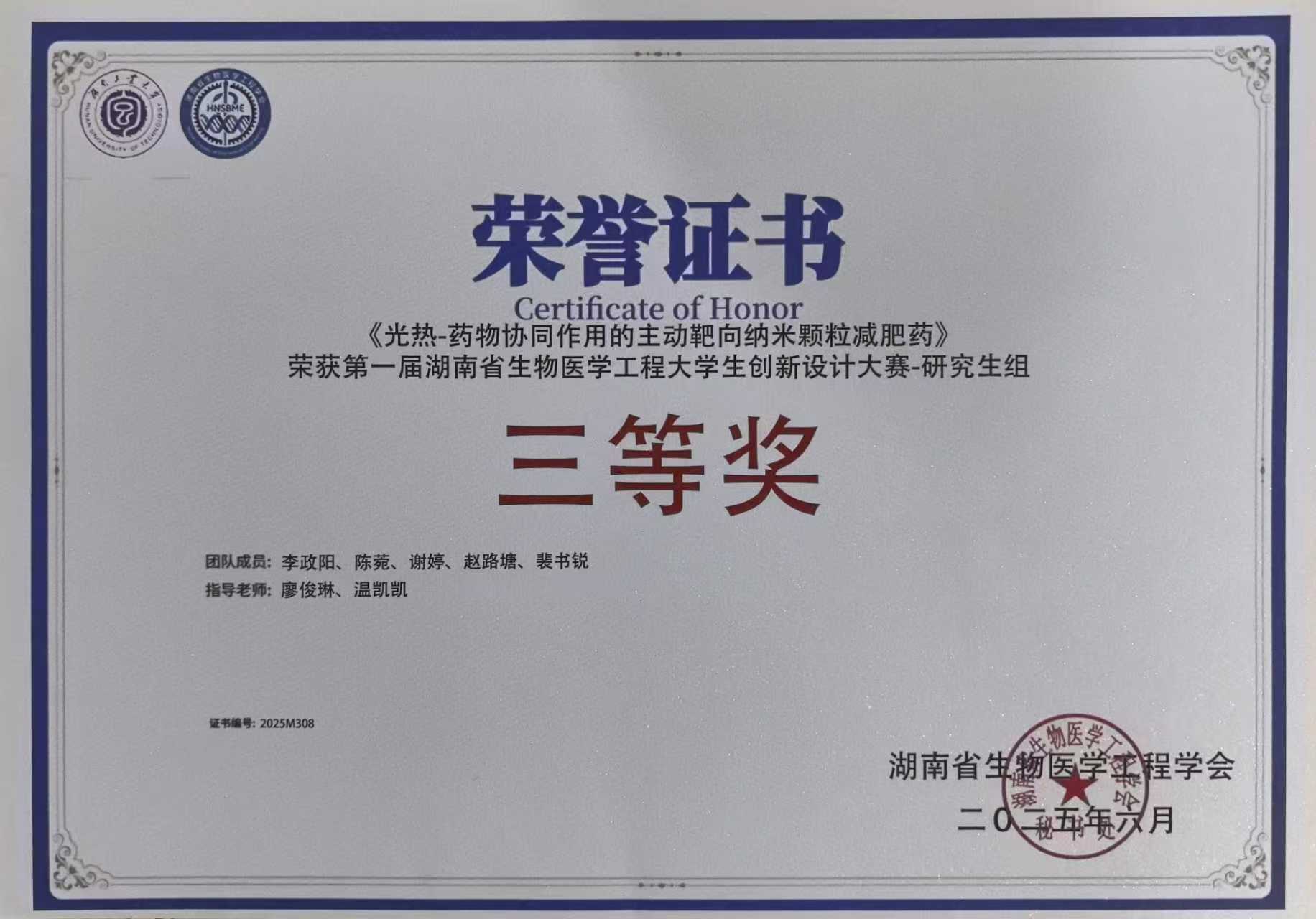
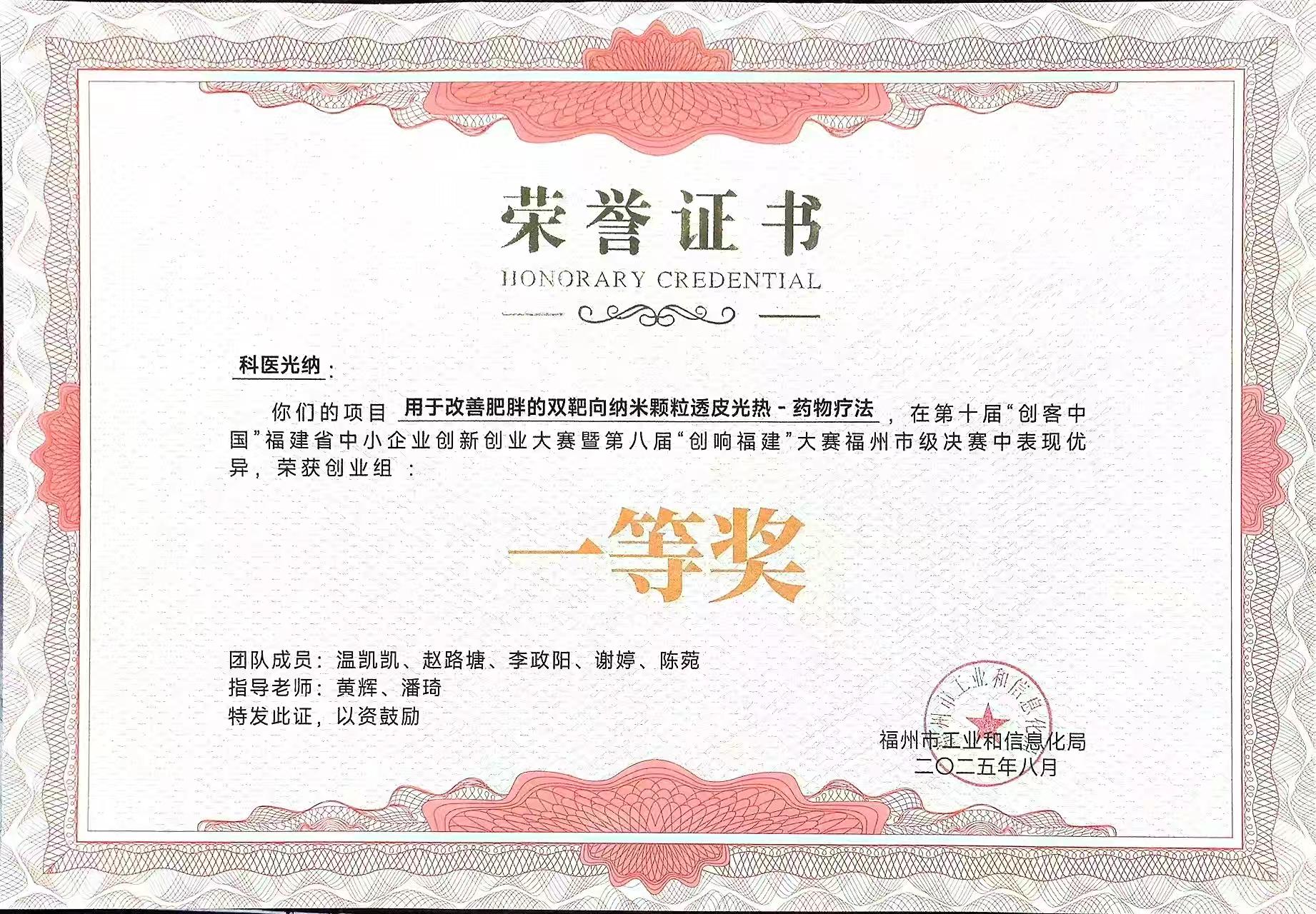
记录课题组在科研、教学与学术活动中获得的荣誉。
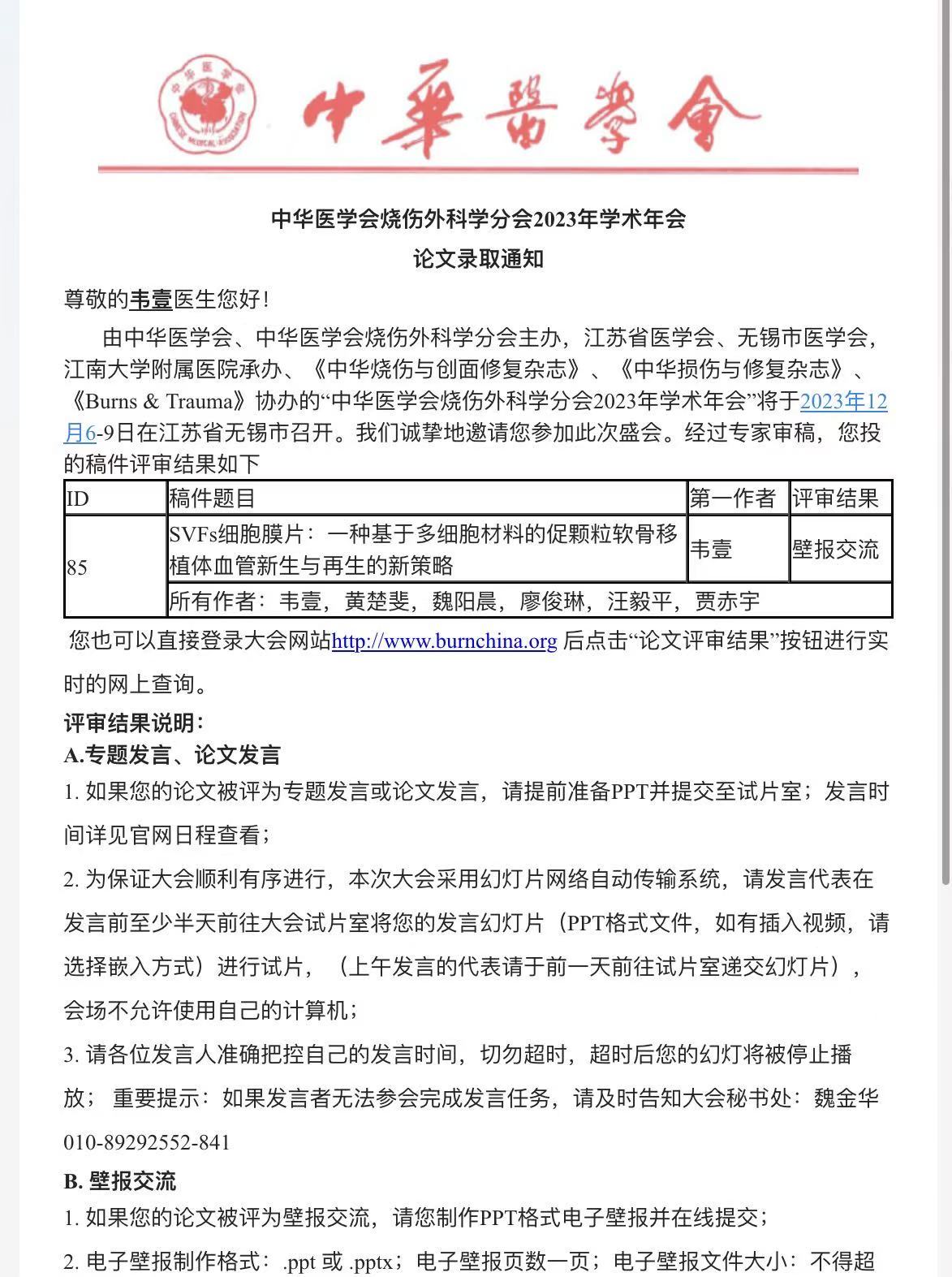
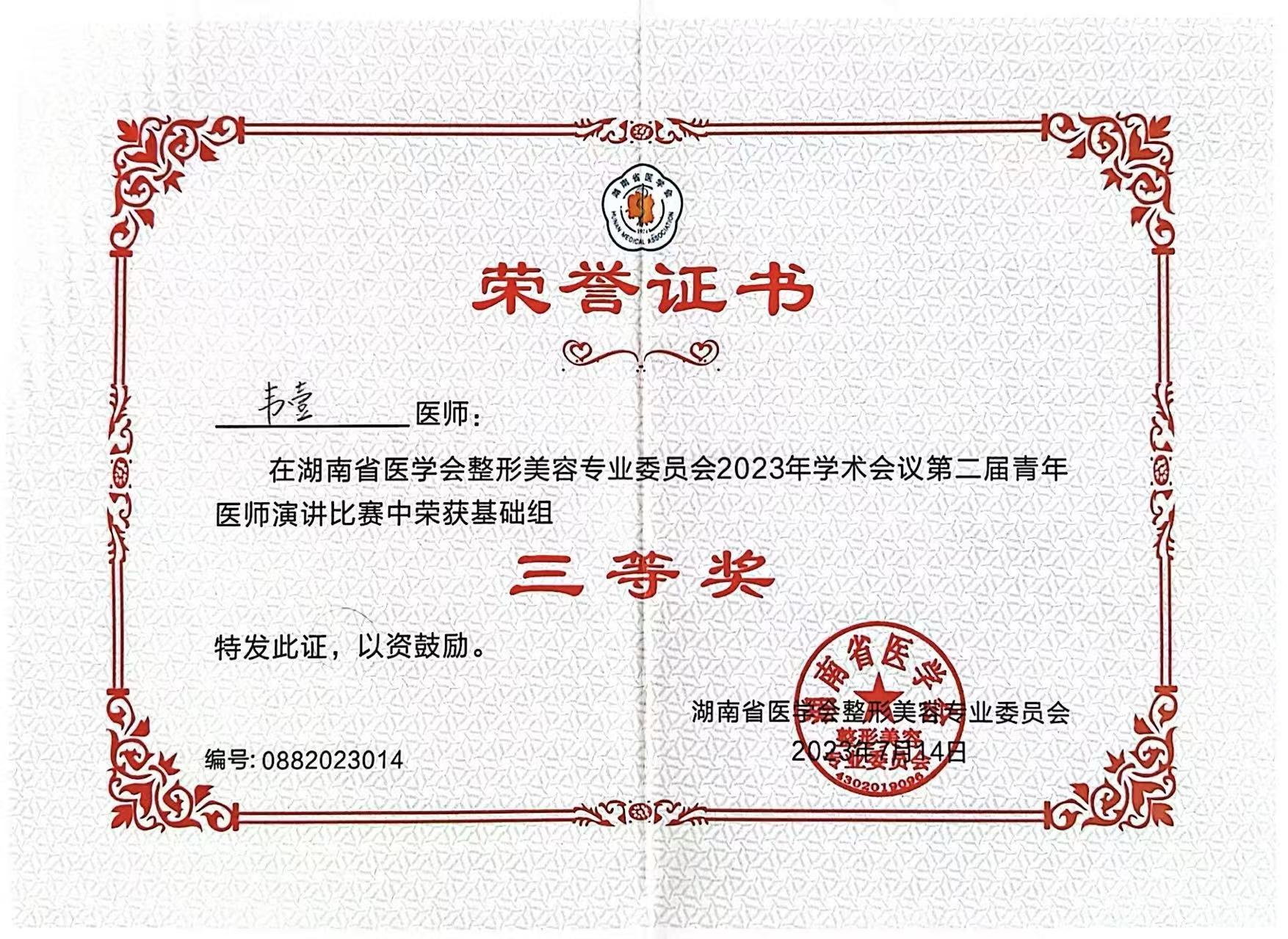
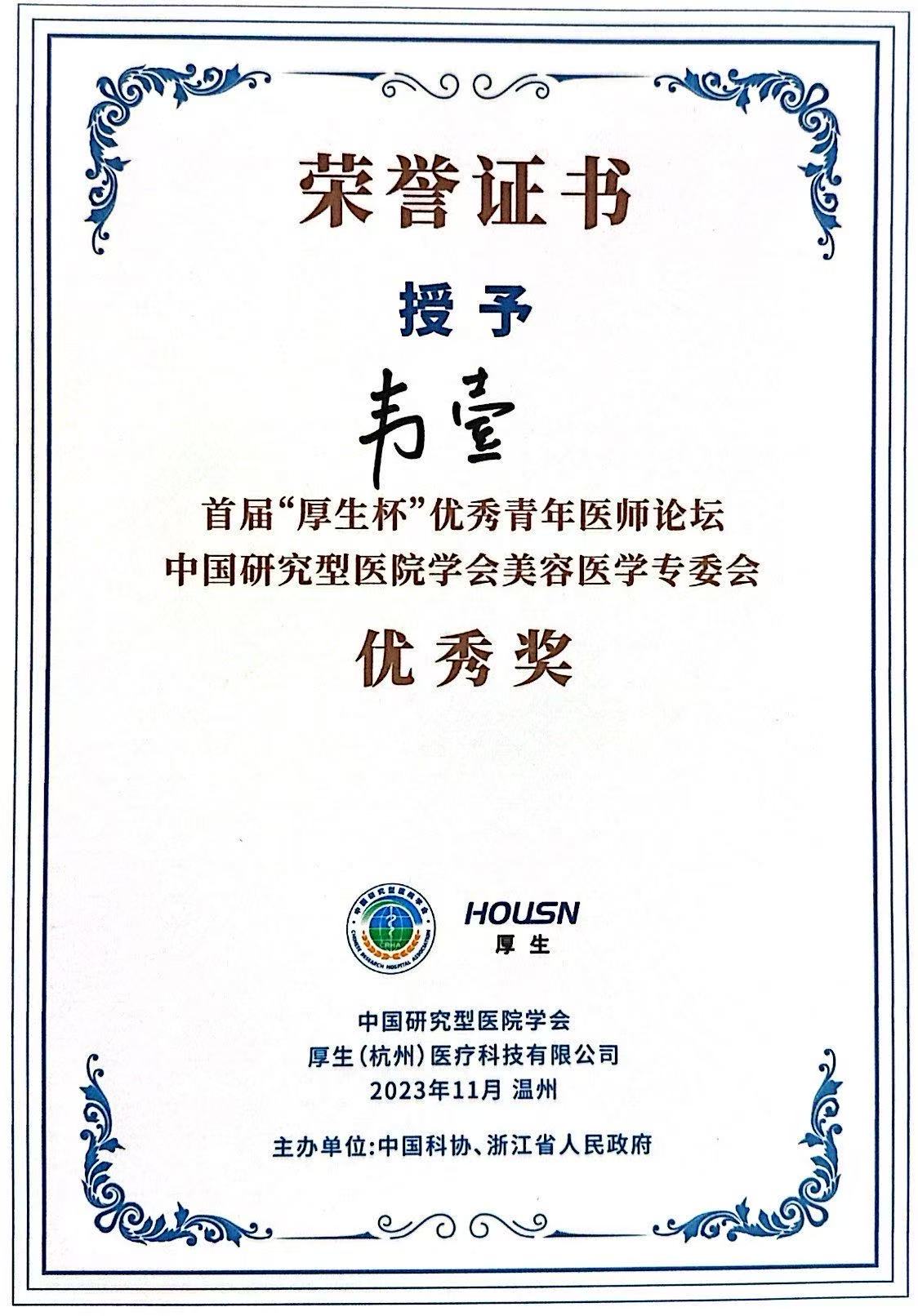
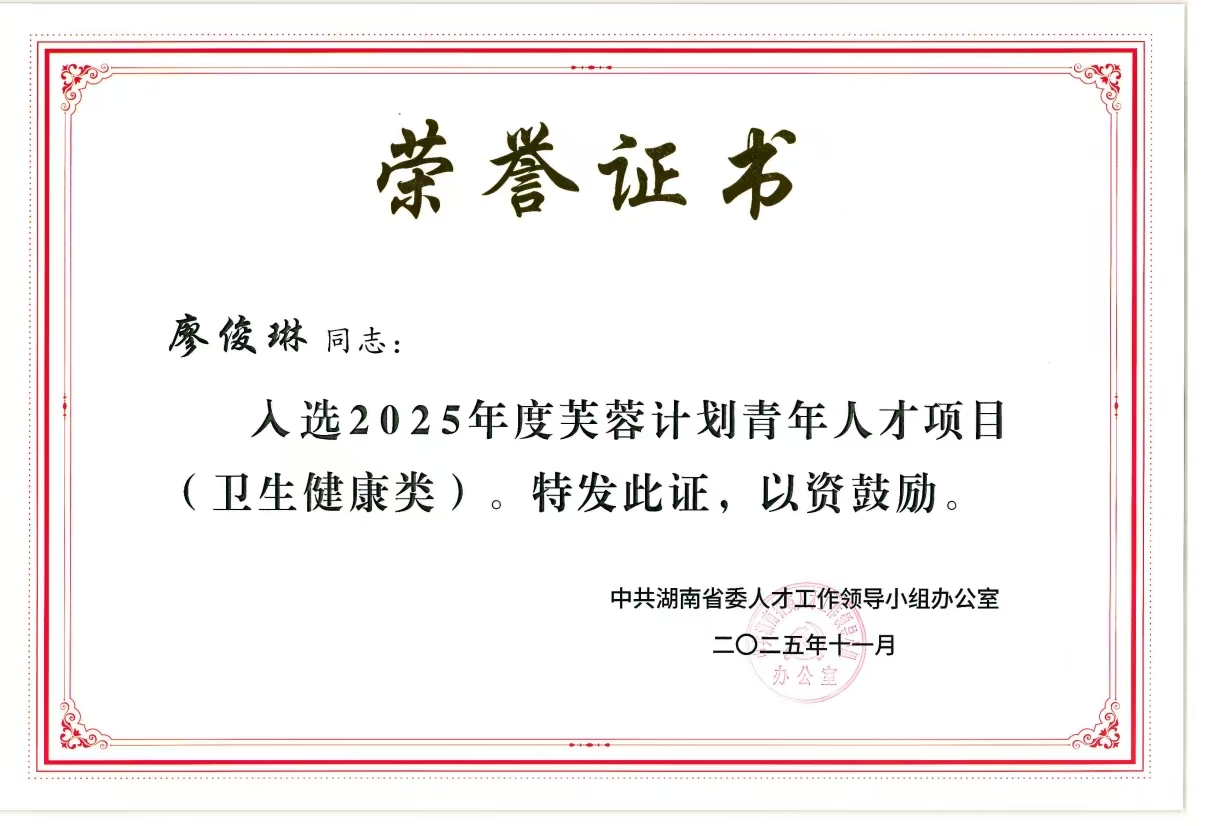
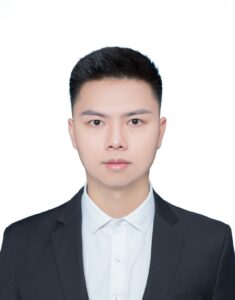
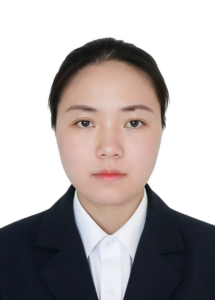
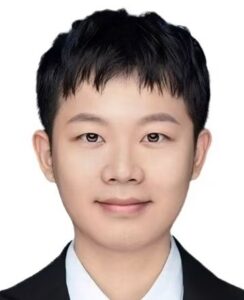
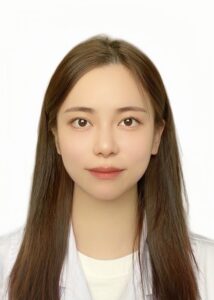
汇聚医学、材料、工程与数字化交叉背景的研究力量。
展示课题组近期发表的代表性学术成果。
This study presents a descriptor-guided molecular design strategy for developing efficient and narrowband organic room-temperature phosphorescence (ORTP) materials for high-contrast bioimaging. By introducing intramolecular noncovalent conformational locks and regulating orbital character, the proposed framework simultaneously suppresses electron–vibration coupling and enhances intersystem crossing. The optimized 2SOBr system achieved a phosphorescence quantum yield of 58.22% with a narrow full width at half maximum of 36 nm under ambient conditions. In cellular imaging, 2SOBr demonstrated lysosome-specific localization and a high signal-to-noise ratio of 15.93, outperforming conventional commercial fluorescent probes. These findings establish a quantitative structure–descriptor–property relationship for the rational design of high-efficiency narrowband phosphorescent materials and highlight their potential for high-contrast biomedical imaging.
关注不同三维重建软件在整形外科术前建模中的比较
This review focuses on ultrasound-activated piezoelectric biomaterials as an emerging strategy for cartilage regeneration. These materials convert ultrasound-induced mechanical energy into localized electrical signals that can regulate chondrocyte metabolism, proliferation, differentiation, and extracellular matrix synthesis. We summarize the underlying piezoelectric mechanisms, relevant signaling pathways, major classes of piezoelectric biomaterials, and recent advances in their design and modification for cartilage tissue engineering. Current challenges, including material stability, optimization of ultrasound parameters, and clinical translation, are also discussed. In addition, the integration of piezoelectric platforms with emerging technologies such as artificial intelligence and cartilage organoid-on-chip systems may provide new opportunities for precision and intelligent regenerative medicine.
This study explores a novel strategy to improve the survival and regeneration of autologous diced cartilage grafts using adipose-derived stromal vascular fraction (SVF) cell sheets. By wrapping diced cartilage with SVF cell sheets, we demonstrated enhanced neovascularization, reduced cartilage absorption, and improved cartilage block formation in a rabbit transplantation model. Mechanistically, SVF cell sheets promoted angiogenesis through increased expression of VEGF and Ang-1 while suppressing chondrocyte pyroptosis-related proteins, including NLRP3, Caspase-1, and GSDMD. These findings suggest that SVF cell sheets may serve as a promising biological alternative to perichondrium or fascia, providing a potential tissue-engineering approach for autologous cartilage grafting and the reconstruction of craniofacial defects.
欢迎对再生医学、生物材料、组织修复、医学美容与数字化医学研究感兴趣的学生、研究助理和合作伙伴联系交流。
课题组长期面向临床问题开展基础与转化研究,鼓励具有医学、材料、工程或数字化背景的青年研究者加入合作。
查看招聘详情-主持:廖俊琳-768x1365.png)